en
 de
 jp
 kor
 fra
 spa
 ru
 pt
 it

Galvanized Metal: Everything You Need to Know
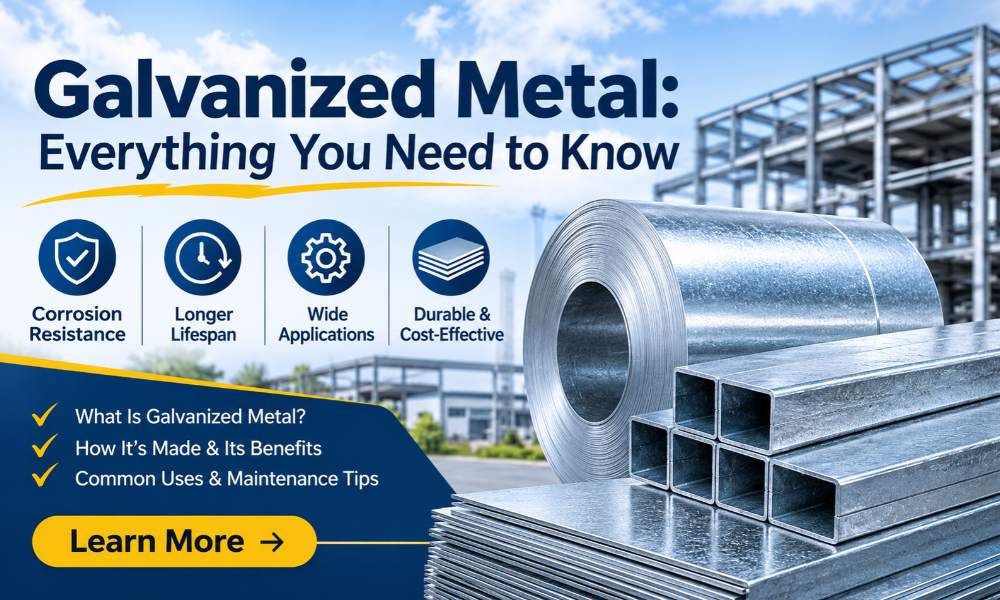
Metal is widely used in the construction, manufacturing and transport industries, however over time it can corrode when in contact with the elements (i.e. oxygen and moisture). One way to combat this is to coat the galvanized metal with a layer of zinc through a process called galvanization. In comparison to other protective treatments of metal, galvanization significantly extends the useful life of the metal. We hope this introduction to galvanization and the characteristics of the finished product will manufacturers and end users of these materials to make better choices when selecting the most appropriate material for their specific application.
What Is Galvanized Metal?
Galvanized metal is produced by coating either iron or steel with zinc. Don’t worry, we are not talking about a new metal here, just a modification of an existing one to improve its resistance to outdoor environment conditions such as rust and corrosion. There are several terms used to describe this type of metal (i.e. galvanized iron/steel, galvanised metal/galv metal, etc.) and in this article we will be using these interchangeably. When describing galvanized metal we will also include the term “galvan steel” to represent the base metal upon which the protective layer of zinc is applied.
Depending on the type of application, one may also wish to evaluate/understand the reasons for the wide use of galvanized metal in numerous construction and/or industrial applications from a corrosion resistance point of view, in comparison with ordinary/unfinished steel.
How Is Galvanized Steel Made?
To begin, describe the process to purify (usually via a pickling process) the surface of the steel and the subsequent immersion of the steel in a liquid zinc bath (i.e. hot-dip galvaanizing). Also, include the alternative process of electrgalvanizing where an electrical current is used to deposite zinc on the surface of the steel. Once this process is described, briefly touch on differences (i.e. thickness of the zinc coat, surface finish, etc.) between hot dip electrogalvanizing processes and the reasons one particular process would/or should be utilized to achieve the same final goal.
What Metals Are Used for Galvanizing?
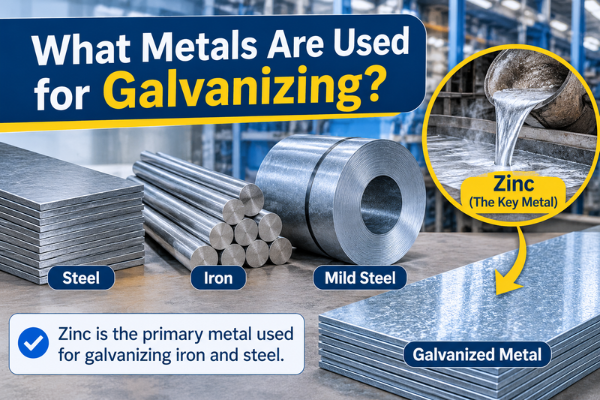
Identify zinc as the metal used to galvanize iron and steel. Zinc is used in this process as it gives a long lasting protective barrier to inhibit the corrosion of the underlying metal. Next, describe the base materials used to create the products (i.e. carbon steel, mild steel, iron, ETC.) and how they affect the final product. Finally, discuss various galvanized material applications in the industrial/construction field and describe the importance of selecting the appropriate base metal along with the appropriate thickness of the zinc coating to achieve the desired strength and durability of the final product.
Key Properties and Characteristics of Galvanized Metal
Explain the main physical and mechanical properties of galvanized steel to explain the reasons for its various uses. Discuss corrosion resistance as well as the strength and durability of galvanized steel. Explain how this type of steel performs in outdoor conditions. Mention that if the zinc coating on galvanized steel comes into contact with moisture and/or oxygen, including if there are any shallow defects in the zinc coating, the underlying steel will be protected from corrosion by the zinc (sacrificial protection). Also explain that galvanized steel will be magnetic. The melting point of the steel will reach very high temperatures, however the zinc will melt long before then (i.e. the zinc will melt first). Discuss what happens during the heat treatment of galvanized steel in terms of the surface characteristics of the zinc-iron alloy.
What Are the Advantages of Galvanized Metal?
What are the benefits of using galvanized steel in construction and manufacturing? To begin, we should look at zinc steels’ corrosion resistance and the length of time they are able to provide this protection prior to the loss of their structural integrity, compared to a standard steel frame. In addition, if the galvanized coating is damaged, zinc slowly corrodes to protect the underlying steel structure. Therefore, overall exposure to external factors does increase the expected life of the metal. Galvanized steel is also relatively inexpensive compared to some other corrosion resistant steels, and is available in numerous shapes/sizes/forms to fit the need of the application. For the above reasons we see galvanized steels/metal products being routinely used in construction and industry to fabricate both temporary and permanent structures, i.e. industrial machinery/equipment, as well as infrastructure.
What Are the Disadvantages of Galvanized Metal?
Discuss the drawbacks of using galvanized steel to give you a better understanding of when it is inappropriate to use galvanized steel. For example, if the steel was cut, welded, or drilled during fabrication, the zinc coating will likely be damaged and expose the already vulnerable steel to corrosion. Some chemicals/ environments can eat away the zinc thereby reducing the level of corrosion protection provided by the coating. In addition, there are also limitations of using galvanized steel in high temperature environments. Ultimately, in order to achieve the desired level of protection offered by the galvanized steel we also recommend that the type of galvanizing process used should also be carefully determined along with the thickness of the zinc coating.
What Is Galvanized Metal Used For?
There are numerous applications of galvanized steel across the construction industry (building frames throughout bridges and structures for external installations), as well as in the automotive and agricultural industries. Galvanized steel is also used in standardized packages for the transport of both raw materials and finished goods, in the form of, for example, roofing and/or wall sheets, as well as in ductwork, pipes and gutters in both residential and commercial construction, where it forms part of the ventilation system.
Besides this, galvanized steel is also used in the building of security and/or property boundary fences. Galvanized iron is use in the manufacture of water tanks as well as in the construction of plant enclosures.
How to Tell If Steel or Metal Is Galvanized
Discuss common ways to identify galvanized steel/ metal to enable the reader to recognize it if enough exposure to hot dip zinc processes has occurred. Discuss the silver-gray appearance with possibly irregular crystalline patterns of the surface of the metal. Explain that to confirm if the base metal is steel and to determine the approximate thickness of the zinc coating one must use a magnetic thickness gauge. Using a regular magnet however will not be of any as both galvanized and ungalvanized steel/ metal are both magnetic. Hence using a a magnet to determine if a steel/ metal is galvanized will not be of any use. There are however, more comprehensive professional tests to confirm the presence (and/or in some cases determine the quantity) of zinc coating in metals/ steven.
Galvanized Steel vs. Regular Steel: What Is the Difference?
Compare galvanized steel to standard/ ‘regular’ steel based on the following attributes: composition, corrosion resistance, durability, visual appearance, upkeep and cost. Explain that regular steel, once formed, does not inherently have a zinc coating to protect it from rust and therefore, may begin to rust if exposed to moisture/ oxygen. Unlike regular steel, galvanized steel has a protective layer of zinc which provides barrier protection to the steel as well as ‘self sacrificing’ protection to the zinc, hence extending the life of the steel. Therefore, in general, galvanized steel is expected to have longer service life compared to regular steel. When selecting the appropriate type of steel for a given application (e.g. whether to use zinc coated steel or to utilize an alternative protective coating on the steel surface), consider whether the environment (indoor vs. outdoor, industrial, etc.) is particularly adverse to the steel.
Galvanized Steel Fabrication: Cutting, Welding, and Machining
Explain the various fabrication processes involved in the production of galvanized steel parts (i.e. cutting, drilling, bending, welding and joining). Discuss how manufacturers of these parts take special precautions to avoid deforming or damaging the zinc coating during the fabrication process to ensure the final product meets the design specifications. Also discuss the reason vinyl or plastic covers are sometimes used during welding of galvanized steel to prevent the release of poisonous fumes during the welding process. Finally, discuss how in some cases, once galvanized steel has been cut or machined, the unprotected edge of the steel remains exposed and in some cases may require a zinc-rich paint to be applied to the surface to prevent corrosion.
Galvanized Metal Maintenance and Corrosion Prevention
Explain the benefits of normal, periodic maintenance of galvanized metal to extend the useful life of the metal. Discuss the types of failures or issues (i.e. rust, scratches, or dirt/grime on the surface, etc.) that we may observe. We will also discuss the proper methods for cleaning the surface of the metal to remove deposits of dirt/soil/dust, etc. to aid in preservation of the protective coating of the galvanized metal. Additionally, we will cover the use of zinc-rich coatings for repairs of minor defects in the galvanizing coating. Lastly, we will describe the effects of the metal being in contact with water and/or other chemicals.
Choosing the Right Metal for Your Manufacturing Requirements
Discuss factors to consider when selecting metals for industrial/mass production as well as precision/manufacturing applications. Factors include the base metal composition, thickness of zinc coating, anticipated exposure to corrosion, required strength of metal component, and volume of components to be produced. Compare the use of galvanized mild steel and carbon steels with other coated or uncoated steels in the industrial/manufacturing landscape. Additionally discuss other manufacturers’ techniques and methods for creation of the same product end possessing specified mechanical properties and/or corrosion protection with accurate dimensional tolerances.
Precision Metal Manufacturing Solutions
Harber MIM Industrial Limited is a precision metal component manufacturer that combines several manufacturing techniques (Design, Tooling, selection of materials, Metal Injection Moulding, Sintering, Surface Coating and Assembly) to create finished products for our customers. To find out more about our capability please contact us to discuss your requirements including design of your components and end goals of your manufacturing requirements.
If you are interested in working with us to produce your components we welcome the opportunity to meet with you to discuss further details of your requirements.
To find out more about our solutions to your custom metal component requirements, connect with us at Harber Industrial Limited.
FAQ:
What Is Galvanized Steel and What Does It Mean?
Galvanized steel is steel that has been coated with a thin layer of zinc to prevent it from rusting.
What Metal Is Used for Galvanizing Iron?
Of all the metals used in industry, zinc is the most commonly used to Galvanize Iron and/or Steel.
What Is the Melting Point of Galvanized Steel?
The steel base of the galvanization process has a much higher melting point than zinc (approx 419.5°C), therefore upon first melting, the zinc will reform into the steel base and will leave the protection against corrosion to be lost.
Is Galvanized Steel Magnetic?
Zinc is para-magnetic and therefore, pure Zinc is slightly magnetic; however, if the base metal is Iron/Steel, Galvanized Steel will be magnetic.
What Is Galvanized Steel Commonly Used For?
It is widely used in the construction industry for building roofs, fencing, as well as automotive manfaccating to name a few, as well as for guttering and ductwork.
Does Galvanized Metal Rust or Corrode?
Although in normal environmentally conditions Galvanized steel will not rust, if the protective coating is compromised it will depending on various other factors (i.e. environment, presence of moisture, time, etc.) begin to both Rust and Corrode.
Conclusion
In construction and manufacturing, selecting the appropriate metal will affect the durability and corrosion of your project. Galvanized metal is a good choice for most of these applications as it contains a protective layer of zinc that helps protect the metal from expansion and therefore corrosion. To fully understand galvanized metal you must also consider the other factors such as the manufacturing process, advantages, and constraints of using galvanized metal, as well as what type of maintenance will be required throughout its life cycle. Once these factors are considered, along with the actual use of the product (i.e. the load it will be required to ) and the environment, an appropriate construction manufacturing partner would be able to you determine the best product for your application.